Components That Stop Moisture and Pests
Fascia & Soffit in Youngsville for properties showing signs of wood rot and animal intrusion
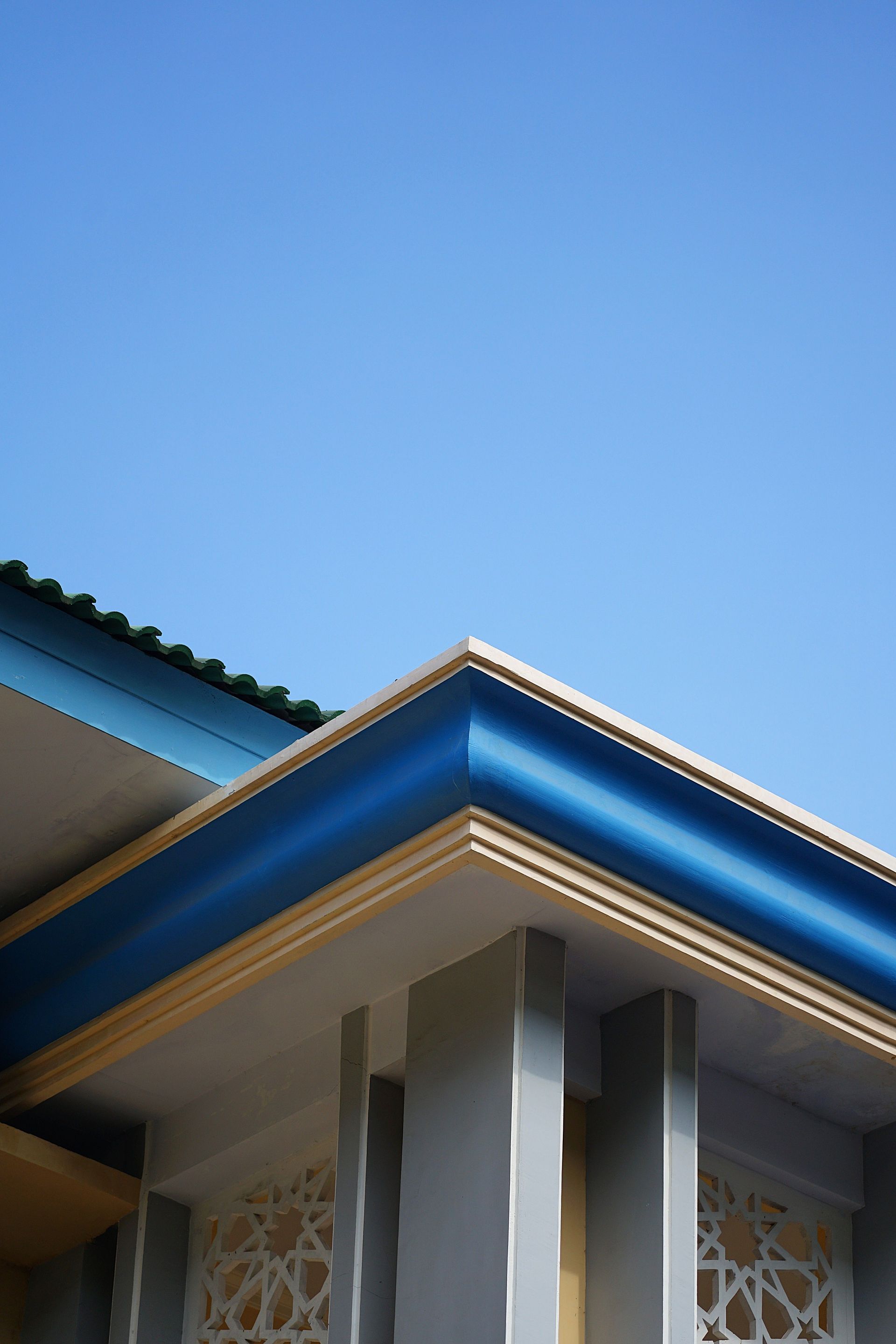
Deteriorating fascia and soffit boards create openings where wasps, squirrels, and bats enter attic spaces, while allowing wind-driven rain to reach roof sheathing and framing that was never designed for direct water exposure. These components form the finished edge of your roof system, with fascia boards running along rafter ends and soffit panels enclosing the underside of eaves. Southern Roofing & Repairs repairs and replaces damaged fascia and soffit across Youngsville where Louisiana's humidity rots wood faster than in drier climates, particularly where gutters have overflowed or flashing has failed and directed water against these vulnerable boards.
Fascia boards provide the mounting surface for gutters and create a finished appearance along roof edges, while soffit panels enclose the space between the fascia and exterior walls. Ventilated soffit panels include perforations that allow air to enter the attic, flowing upward through rafter bays and exiting through ridge vents to remove heat and moisture that would otherwise condense on sheathing and insulation. When fascia or soffit deteriorates, gutter systems sag or detach, ventilation stops working correctly, and insects find entry points that lead directly into conditioned spaces.
Request fascia and soffit service to inspect hidden damage before moisture spreads to roof framing and sheathing.
Why Fascia and Soffit Repairs Prevent Structural Issues
Fascia and soffit work involves removing damaged sections to expose rafter ends and eave framing, which are then inspected for rot that may extend beyond visible deterioration. Rotted wood is cut back to solid material, and new pressure-treated or primed boards are installed and fastened securely to framing members. Soffit panels are measured and cut to fit between fascia and wall, with ventilation maintained through perforated sections that match the roof's required intake area.
Once repairs finish, gutter systems attach to solid fascia that supports the weight of water-filled channels during storms. Attic ventilation resumes normal function, pulling air through soffit vents and exhausting it at the ridge, which keeps sheathing temperatures lower and prevents moisture buildup that leads to mold growth on rafters and insulation. The finished appearance along roof edges returns to clean lines without gaps, stains, or sagging sections that signal ongoing deterioration.
Fascia and soffit systems use materials ranging from wood to vinyl and aluminum, with each offering different maintenance requirements and longevity. Wood fascia requires painting or sealing to resist moisture, while vinyl and aluminum eliminate the need for coating but can dent or crack under impact. Inspections from attic spaces often reveal soffit damage invisible from ground level, where staining on rafters or daylight visible through eave areas indicates that panels have separated or rotted through in sections hidden by gutters or landscaping.
Common Questions About This Service
Property owners typically want to understand how fascia and soffit interact with the rest of the roofing system and when repairs become necessary.
What signs indicate fascia or soffit damage?
Visible rot, peeling paint, or sagging gutters suggest fascia damage, while soffit problems show up as staining on eave undersides, gaps between panels, or evidence of animal activity near roof edges. Water stains on exterior walls just below the roofline often trace back to failed soffit that allows rain to reach wall sheathing.
How does ventilated soffit improve roof performance?
Ventilated soffit panels allow outside air to enter the attic at eaves, where it flows upward through rafter bays and exits at ridge vents, removing heat that would otherwise transfer into living spaces and moisture that condenses on cold surfaces during winter months. Blocked or missing soffit ventilation reduces airflow and causes shingle deterioration from excessive attic heat.
When should fascia and soffit be replaced during re-roofing?
Fascia and soffit condition should be evaluated before any re-roofing project begins, since removing old shingles exposes damage that may worsen once new materials are installed. Replacing deteriorated sections before roofing work prevents callbacks and ensures gutters attach to solid substrates capable of supporting loads during heavy rain events common in Youngsville.
What materials resist moisture better than wood?
Aluminum and vinyl fascia and soffit eliminate rot concerns entirely, though both can fade or discolor over time depending on coating quality and sun exposure. Fiber cement boards offer a middle option, resisting moisture better than wood while maintaining the appearance of painted trim without the expansion and contraction issues that affect vinyl in temperature swings.
How do repairs address hidden damage behind visible boards?
Fascia and soffit removal often reveals rafter end rot or sheathing deterioration that extends several inches beyond the damaged board, requiring additional framing repairs before new trim can be installed. Inspections check for soft spots, discoloration, and structural integrity of underlying framing to determine the full scope of work needed.
Southern Roofing & Repairs inspects fascia and soffit from both ground level and attic spaces to identify deterioration that compromises roof edges and ventilation. Arrange a property inspection to document current condition and receive repair recommendations based on material choices and budget considerations.