Surface Protection That Extends System Lifespan
Roof Coatings in Youngsville for commercial buildings and low-slope systems showing wear but not requiring full replacement
Heat, moisture, and UV exposure degrade roofing surfaces long before the underlying structure fails, especially on low-slope commercial roofs and flat residential sections that hold water after rain. Roof coatings extend the functional life of these systems by sealing minor cracks, reflecting solar radiation, and creating a waterproof membrane over aging materials. Southern Roofing & Repairs applies elastomeric and acrylic coatings to roofs that still have sound decking and structurally intact membranes but show surface weathering that will lead to leaks within a few years if left untreated.
Coating application involves cleaning the existing roof surface to remove dirt and biological growth, repairing any open seams or punctures, priming porous areas, and applying multiple coats of reflective material that bonds to the substrate. The process works on metal, modified bitumen, single-ply membranes, and some built-up roofing systems, provided the underlying structure hasn't been compromised by prolonged water infiltration.
Schedule a roof coating inspection to determine whether your system qualifies for this cost-effective alternative to replacement.
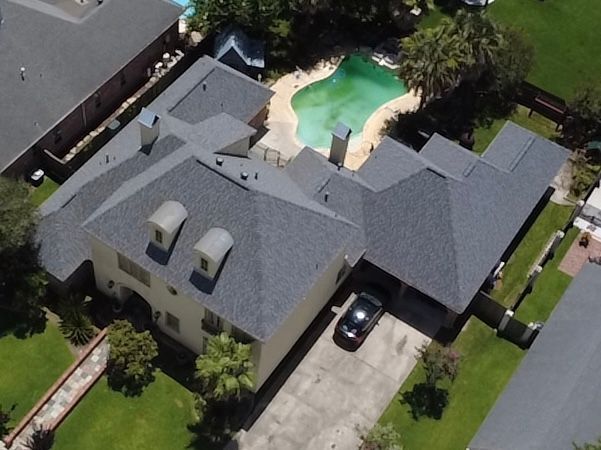
What Changes After Coating Application
A properly applied coating creates a seamless, monolithic layer that bridges small cracks and seals fastener penetrations that have worked loose over time. The coating's reflective properties reduce surface temperature by twenty to thirty degrees during summer, which slows thermal degradation of the underlying membrane and lowers cooling costs for conditioned spaces below. Elastomeric formulations expand and contract with temperature changes without cracking, maintaining a watertight seal through seasonal cycles.
After coating, you'll notice that ponding water no longer finds its way through seams, roof surfaces stay visibly cleaner because the smooth finish doesn't trap dirt, and interior temperatures stabilize as less heat conducts through the roof assembly. The coating also restores a uniform appearance to weathered roofs, which matters for commercial properties where curb appeal affects customer perception.
Coatings require a roof in fundamentally sound condition—they cannot repair saturated insulation, rusted metal panels with holes, or membranes that have delaminated from the substrate. Routine evaluation before application identifies these disqualifying conditions and determines whether localized repairs can bring the roof into suitable condition for coating or whether replacement is the only viable option.
Questions Before Starting Your Project
Building owners considering roof coatings want to understand eligibility requirements, expected lifespan, and how the process compares to other roofing options.
What makes a roof suitable for coating instead of replacement?
Roofs with intact waterproofing layers but visible surface wear, minor cracking, or faded protective granules qualify, while roofs with widespread leaks, spongy decking, or failed seam adhesion require more extensive work.
How do roof coatings perform in high-humidity areas like Youngsville?
Acrylic and silicone coatings resist mildew growth and maintain adhesion even when moisture vapor transmits through the substrate, which is critical in climates where roofs rarely dry completely between rain events.
What preparation is required before coating application?
The existing roof must be pressure-washed to remove loose granules and biological growth, all seams and penetrations must be reinforced with fabric and mastic, and the surface must be completely dry before coating begins.
Why do coatings fail prematurely on some roofs?
Inadequate surface cleaning leaves contaminants that prevent bonding, insufficient mil thickness fails to bridge cracks, and applying coating over saturated substrates traps moisture that causes blistering and delamination.
When should coating be reapplied to maintain protection?
Most elastomeric coatings require recoating every eight to twelve years depending on exposure intensity, with periodic inspections identifying areas where UV degradation or mechanical damage has thinned the protective layer.
Southern Roofing & Repairs evaluates coating candidacy through moisture scans and core samples that reveal subsurface conditions not visible during visual inspections. Request a detailed assessment to determine whether coating will deliver the expected return on investment for your specific roof type and condition.