
Storm Protection Built Into Every Component
Fortified Roofing in Lafayette for properties in hurricane-prone coastal regions
Fortified Roofing systems address specific failure mechanisms that occur during high-wind events common to South Louisiana. Southern Roofing & Repairs installs enhanced roof assemblies in Lafayette designed to resist shingle blow-off, prevent water infiltration at vulnerable transition points, and maintain structural integrity during sustained winds and wind-driven rain. Standard residential roofing often fails when hurricane-force gusts create uplift pressure that overcomes basic fastener holding power, but fortified installation methods counter these predictable failure patterns through reinforced attachment and sealed deck construction.
The fortified approach involves systematic strengthening of the roof-to-wall connection using additional fasteners and structural adhesives, application of fully adhered or mechanically attached underlayment that creates a secondary water barrier across the entire deck, and installation of impact-resistant shingles rated to withstand hail and wind-blown debris. Each component upgrade addresses a specific vulnerability: sealed deck edges prevent water intrusion when perimeter shingles lift, reinforced gable ends resist the rotational forces that twist standard rake trim away from the structure, and ring-shank nails driven at specified spacing provide superior withdrawal resistance compared to smooth-shank fasteners used in conventional installations.
Arrange a consultation to evaluate whether fortified installation methods align with your property's exposure level and long-term protection requirements.
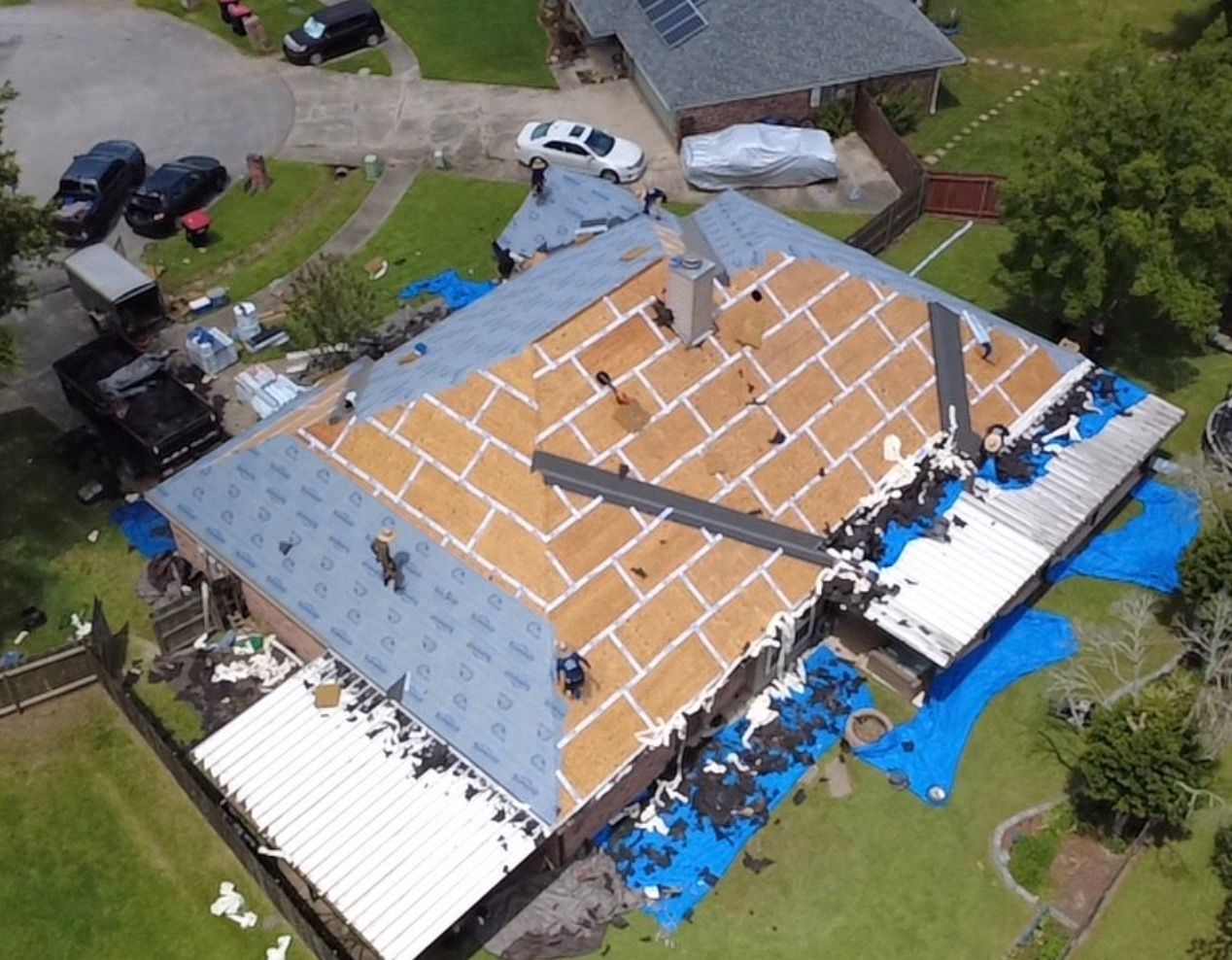
How Fortified Construction Differs From Standard Methods
Fortified installation begins with deck preparation that exceeds typical building code minimums, including sealing all deck seams with specialized tape and securing deck panels with fasteners spaced closer than standard intervals. Contractors apply a continuous water barrier that remains intact even if surface shingles fail, then install starter strips using adhesive in addition to mechanical fasteners to prevent the progressive peeling that begins at roof edges during high winds.
Once the fortified system is complete, the roof maintains weathertight integrity under conditions that compromise conventional installations, including sustained winds above seventy miles per hour and the impact forces from airborne debris common during tropical systems. Property owners notice fewer post-storm repairs, reduced insurance claims from weather-related damage, and extended intervals between major roof replacements because the enhanced construction resists the accelerated wear caused by repeated storm exposure.
Fortified certification involves third-party verification of installation methods and material specifications, which provides documented proof that construction meets established resilience standards. This certification may qualify properties for insurance premium reductions in areas subject to hurricane risk, though specific incentives vary by carrier and coverage type.
Common Questions About This Service
Property owners considering fortified roofing systems typically want clarity on what differentiates this approach from standard installation and how it performs under actual storm conditions.
What specific components distinguish fortified construction from conventional roofing?
Fortified systems require sealed roof decks using adhesive-backed membrane or taped seams, ring-shank fasteners driven at closer spacing than code minimum, structural adhesive applied to starter courses and perimeter shingles, and impact-rated shingles meeting UL 2218 Class 4 standards for hail resistance.
How does sealed deck construction prevent water intrusion?
The continuous water barrier applied directly to roof decking creates a backup protection layer that remains functional even when surface shingles lift or separate during wind events, which prevents the sudden interior leaks that occur when conventional underlayment tears or displaces along with damaged shingles.
Why does fortified roofing matter specifically in Lafayette and surrounding Acadiana communities?
This region experiences tropical systems with frequency that accelerates cumulative roof damage, and fortified construction addresses the repetitive stress from multiple moderate storms that causes progressive deterioration just as effectively as it handles single catastrophic events.
What happens during the installation process that differs from standard roof replacement?
Crews spend additional time on deck preparation and fastener placement, use specialized adhesives that require specific temperature ranges for proper curing, and complete inspection checkpoints at multiple stages rather than proceeding through continuous shingle application.
When does investing in fortified construction provide the greatest value?
Properties within ten miles of the coast, homes with previous wind damage history, and newly constructed or recently replaced roofs where the incremental cost represents a smaller percentage of total investment typically see the strongest return through reduced future repair frequency and potential insurance savings.
Southern Roofing & Repairs applies fortified installation standards to new construction and complete roof replacements throughout Acadiana. Contact us to discuss whether enhanced storm protection makes sense for your specific property location and exposure profile.